
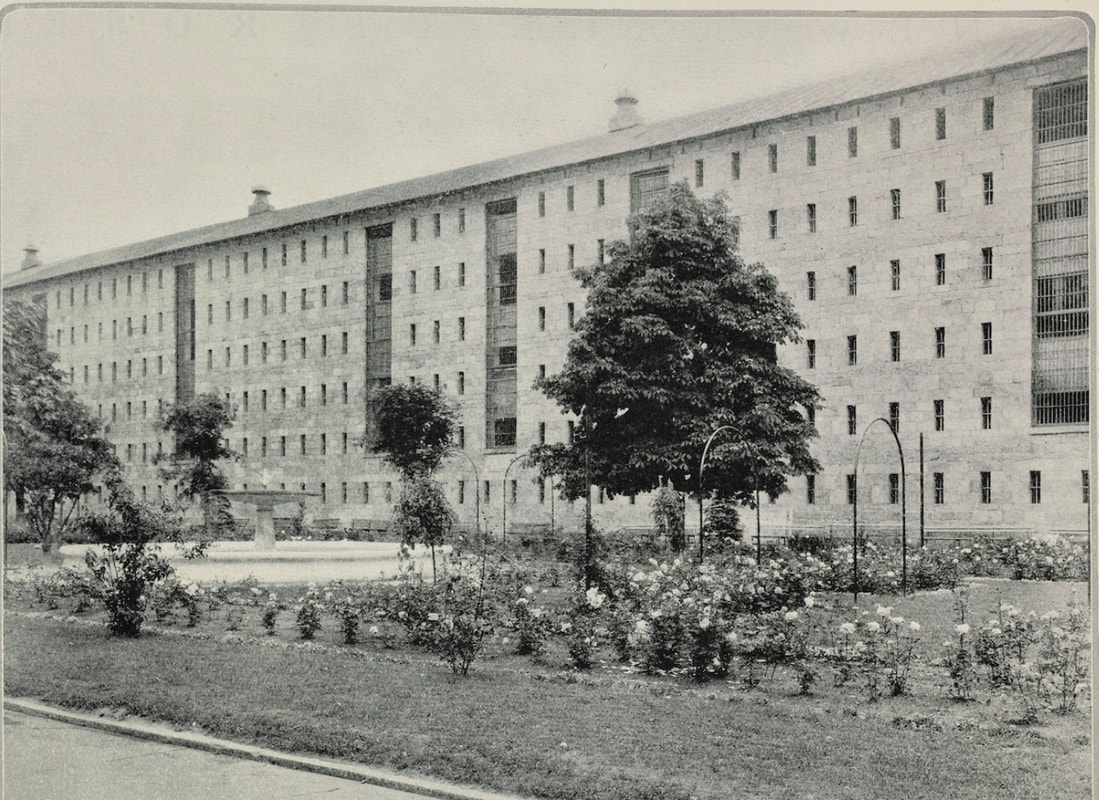
Imagine the surprise of readers of House & Garden magazine when they opened the January
1925 issue and found a five-page illustrated feature about the gardens of Sing Sing Prison. A
lavish profusion of irises, lilacs, dahlias, peonies, rose bushes, blue spruce, maple and fir trees
with over two hundred flowering bushes thrived in stark contrast to the prison’s stone and brick
architecture including the 100 year old cellblock and the newly built condemned cell building
that housed New York State’s electric chair.
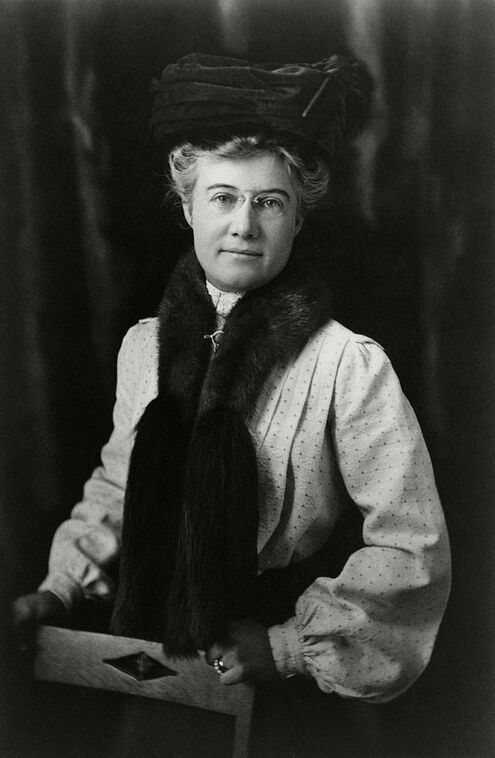
The photographs were made by Mattie Edwards Hewitt (1869-1956), a prominent photographer
of architecture, landscape, and design. In her early career, she was a partner of Francis Benjamin
Johnston, a photographer who also Edward’s lover. They lived and worked together from 1909
to 1917 when their personal and professional partnership ended.
By the time she documented the gardens at Sing Sing Prison, Hewitt had established herself as a
prominent commercial photographer. She worked with leading designers, architects, and
landscape architects, recording residences, commercial buildings, public institutions and
gardens. Her archives and personal papers, preserved at the New-York Historical Society, reflect
an extraordinary career that continued until her death in 1956.
The House & Garden article, written by Richardson Wright, described the unusual partnership
between Sing Sing Warden Lewis Lawes, the prison chaplain, Father William Cashin, the
American Rose Society and magazine readers who advocated for and supported the garden
project. One of the prison’s most prominent and notorious incarcerated men, Charles Chapin,
provided the leadership and vision for the garden. Chapin, serving a life sentence for murdering
his wife, became known as the Rose Man of Sing Sing. But that is story for a future blog post.
Brent Glass
Executive Director
Sing Sing Prison Museum
1925 issue and found a five-page illustrated feature about the gardens of Sing Sing Prison. A
lavish profusion of irises, lilacs, dahlias, peonies, rose bushes, blue spruce, maple and fir trees
with over two hundred flowering bushes thrived in stark contrast to the prison’s stone and brick
architecture including the 100 year old cellblock and the newly built condemned cell building
that housed New York State’s electric chair.
The photographs were made by Mattie Edwards Hewitt (1869-1956), a prominent photographer
of architecture, landscape, and design. In her early career, she was a partner of Francis Benjamin
Johnston, a photographer who also Edward’s lover. They lived and worked together from 1909
to 1917 when their personal and professional partnership ended.
By the time she documented the gardens at Sing Sing Prison, Hewitt had established herself as a
prominent commercial photographer. She worked with leading designers, architects, and
landscape architects, recording residences, commercial buildings, public institutions and
gardens. Her archives and personal papers, preserved at the New-York Historical Society, reflect
an extraordinary career that continued until her death in 1956.
The House & Garden article, written by Richardson Wright, described the unusual partnership
between Sing Sing Warden Lewis Lawes, the prison chaplain, Father William Cashin, the
American Rose Society and magazine readers who advocated for and supported the garden
project. One of the prison’s most prominent and notorious incarcerated men, Charles Chapin,
provided the leadership and vision for the garden. Chapin, serving a life sentence for murdering
his wife, became known as the Rose Man of Sing Sing. But that is story for a future blog post.
Brent Glass
Executive Director
Sing Sing Prison Museum
 RSS Feed